A Historical Overview of Air Conditioning in Hardwick
The origins of air conditioning in Hardwick trace back to the early part of the 20th century, marked by simple methods such as the use of fans and natural ventilation. However, these rudimentary means could hardly contend with the increasingly industrialised society. This necessitated the development of more advanced temperature control systems to enhance comfort in homes, offices, and factories.
The air conditioning industry in Hardwick took a pivotal turn in the 1930s. Willis Carrier, an American engineer, introduced the concept of air conditioning to the UK. The carrier’s design had profound implications on the way the residents of Hardwick experienced comfort, particularly during the warm summer months. It was during this period that residential and commercial buildings began integrating built-in air conditioning systems into their architectural designs.
The Carrier system was revolutionary, offering Hardwick an efficient way to maintain a comfortable indoor temperature irrespective of weather conditions outside. Despite the high installation costs, the benefits of these systems, such as the ability to maintain a steady temperature, lower humidity, and improved air quality, were undeniable. The advent of these systems marked the beginning of a new era in Hardwick’s air conditioning history.
The Advent of Mechanical Cooling: A Game Changer
By the mid-20th century, the advent of mechanical cooling systems transformed Hardwick’s air conditioning landscape. The first air conditioners were large and unwieldy, often consuming significant amounts of electricity. Nonetheless, they offered an unprecedented level of comfort and convenience. They effectively removed humidity, improved air quality, and provided cooling during the sweltering summer months.
The introduction of mechanical cooling systems was indeed a game-changing development in Hardwick. These systems offered several significant benefits compared to traditional methods. Not only could they maintain a comfortable indoor temperature, but they also improved air quality by filtering out pollutants and allergens. This led to a decrease in respiratory-related health issues among the residents and increased productivity in workplaces.
The increased accessibility and affordability of mechanical cooling systems triggered a widespread adoption across homes and businesses in Hardwick. The popularity of these systems ushered in a new era of air conditioning, setting the stage for the developments that would come in the following decades.
Post-War Developments in Air Conditioning
The post-war period saw significant advancements in the air conditioning industry in Hardwick. Developments in technology led to the creation of more compact and energy-efficient air conditioning units. These advancements made air conditioning systems more affordable and accessible for the average household, resulting in a surge in demand.
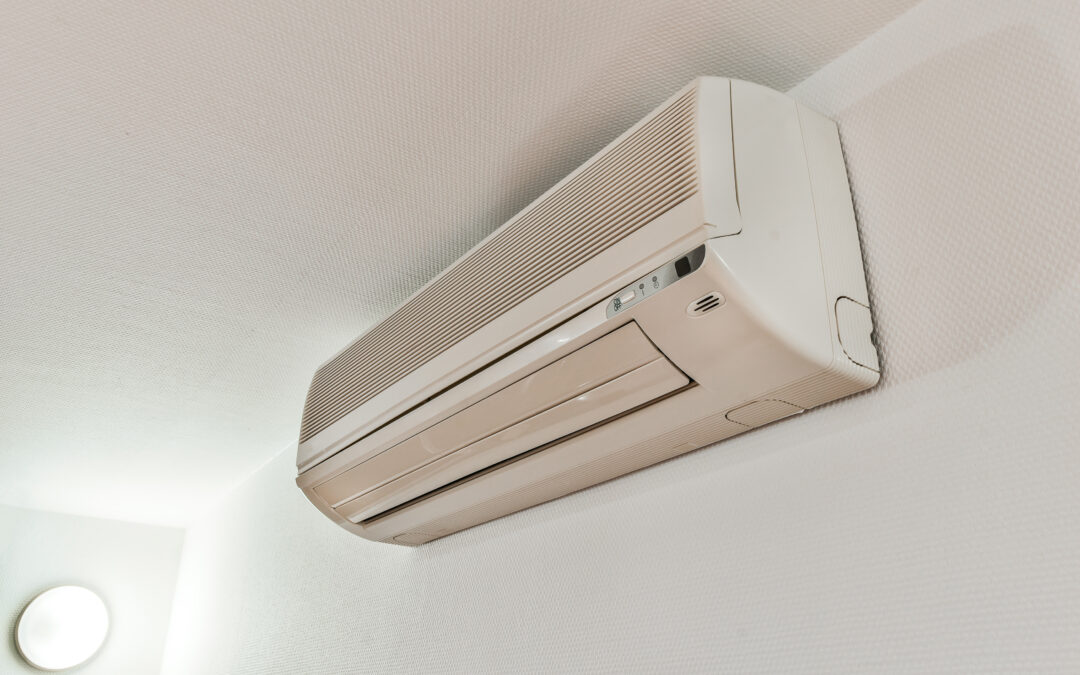
With increased adoption, manufacturers strived to improve the efficiency of these systems. One notable innovation of the era was the introduction of the split system air conditioner. This system featured a separate indoor unit and outdoor compressor, significantly reducing the noise associated with air conditioning.
Additionally, technological advancements have made air conditioning systems more user-friendly. Innovations like programmable thermostats and central air systems allowed for greater control over indoor temperatures, further enhancing the appeal of air conditioning in Hardwick.
The Impact of Energy Crises on AC Systems in Hardwick
During the 1970s and 1980s, Hardwick, like the rest of the UK, experienced energy crises. These crises led to a sharp increase in energy costs, prompting a reconsideration of the energy consumption of air conditioning systems. The emphasis shifted towards energy-efficient air conditioning units that would provide the same level of comfort but at a reduced energy cost.
Consequently, manufacturers developed air conditioning units with higher Seasonal Energy Efficiency Ratios (SEER). These units consumed less energy for the same level of cooling, reducing the overall energy costs for households and businesses in Hardwick.
The energy crisis also led to the introduction of government regulations aimed at reducing energy consumption. Building codes were revised to include requirements for energy-efficient design, including the use of high-efficiency air conditioning systems. These changes had a profound impact on the air conditioning landscape in Hardwick, with energy efficiency becoming a key consideration in air conditioning design and purchase decisions.
Modern Day Air Conditioning: Efficiency and Sustainability
In the 21st century, the focus of air conditioning in Hardwick has shifted towards sustainability. Modern AC systems are designed to have lower energy consumption and reduced environmental impact. Inverter technology, for example, allows AC units to adjust their cooling capacity according to the room’s needs, thereby reducing energy consumption.
Another significant development is the use of eco-friendly refrigerants. Traditional refrigerants were known to contribute to global warming and ozone layer depletion. Modern air conditioning systems in Hardwick now use alternatives like R-32, which have a significantly lower Global Warming Potential (GWP).
Furthermore, the advent of smart technology has revolutionised air conditioning in Hardwick. Smart thermostats and air conditioning systems can be controlled remotely, allowing for more efficient use of energy. These systems can also provide real-time feedback on energy consumption, empowering users to make more informed decisions about their energy use.
Future Trends: The Evolution of Air Conditioning in Hardwick
The future of air conditioning in Hardwick points towards even greater efficiency and sustainability. Developments in technology, such as the integration of AI and IoT, are expected to lead to more intelligent and adaptable air conditioning systems. These systems will be capable of learning from user behaviour and adjusting accordingly to optimise energy use.
One of the anticipated trends is the increase in the use of renewable energy for air conditioning. Solar-powered air conditioning systems, for example, offer a sustainable alternative to traditional systems. These systems use solar panels to generate electricity, reducing dependence on the grid and lowering energy costs.
Furthermore, there is a growing interest in passive cooling strategies, which use architectural design and building materials to cool buildings naturally. While these strategies are unlikely to replace air conditioning entirely, they present a promising supplement that can significantly reduce the need for mechanical cooling.
The Role of Air Conditioning in Hardwick’s Climate Control
Air conditioning plays an essential role in climate control in Hardwick. It helps maintain comfortable indoor temperatures during the warm summer months, improving the comfort and well-being of residents. It also plays a critical role in places like hospitals and data centres where precise climate control is necessary.
With climate change leading to increasingly warmer summers, the role of air conditioning in Hardwick’s climate control is set to become even more significant. However, this raises the challenge of balancing the rising need for cooling with the necessity of reducing energy consumption and environmental impact.
In response to this challenge, Hardwick has seen a growing trend towards sustainable climate control strategies. This includes the use of energy-efficient air conditioning systems, integration of renewable energy sources, and implementation of passive cooling strategies.
Public Perception and Impact of AC Evolution in Hardwick
Public perception of air conditioning in Hardwick has evolved significantly over the years. Initially viewed as a luxury, air conditioning has become a necessity, particularly considering the warming climate. As energy costs and environmental concerns have grown, so has the demand for efficient and sustainable cooling solutions.
The evolution of air conditioning has had a pronounced impact on Hardwick’s socio-economic landscape. It has contributed to increased productivity in workplaces by providing comfortable working conditions, even during the warmest months. It has also improved indoor air quality, benefiting the health of Hardwick’s residents.
Looking ahead, the focus is on aligning air conditioning with sustainability goals. The challenge lies in balancing the increasing need for cooling with the imperative to reduce energy consumption and environmental impact. However, with continuous advancements in technology and a growing emphasis on sustainability, the future of air conditioning in Hardwick looks bright.