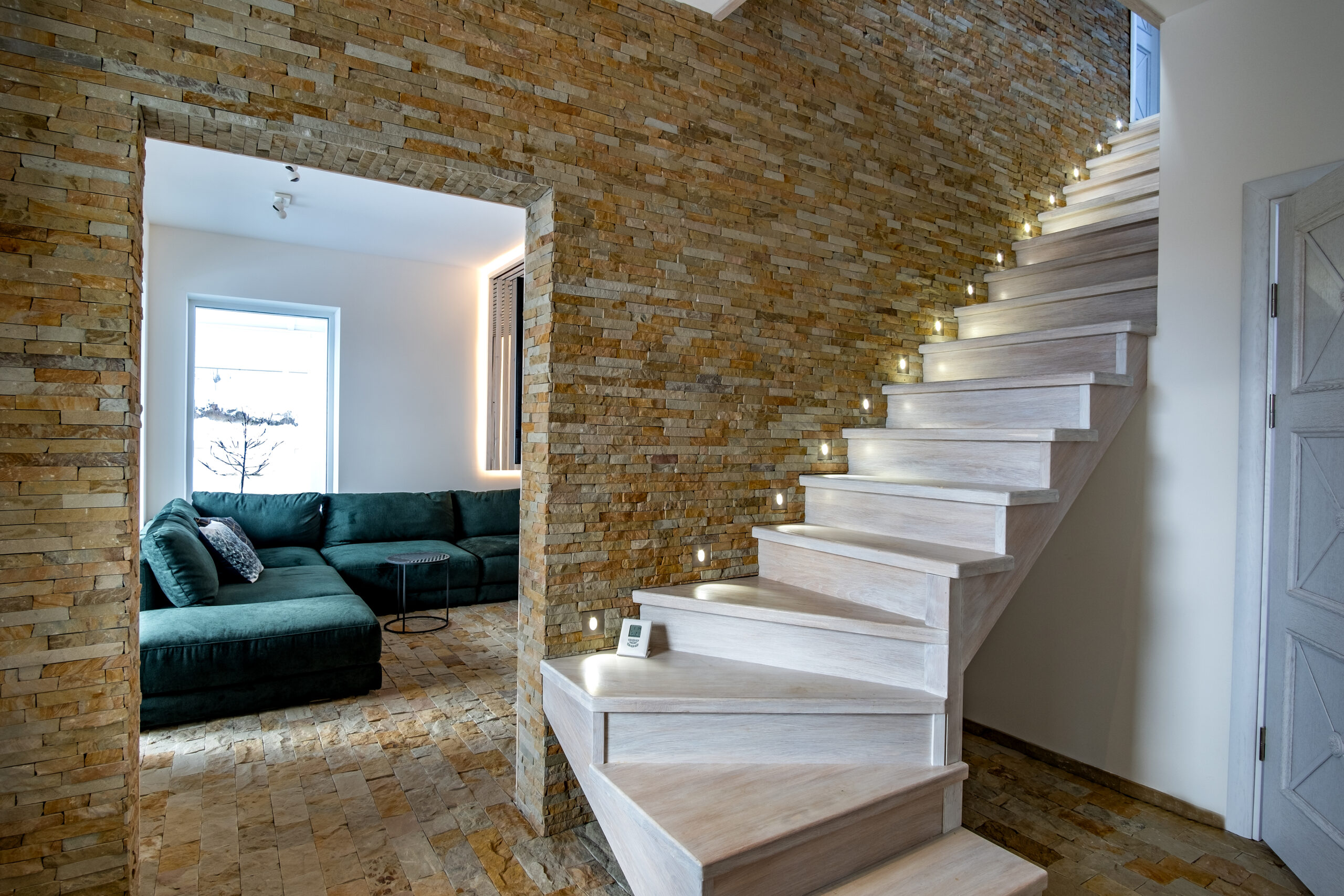
An Intricate Overview of Indoor Lighting Design in Cambridge
The city of Cambridge is renowned for its fusion of ancient prestige and cutting-edge innovation, a reputation that extends into the realm of indoor lighting design. In the heart of the UK, Cambridge has cultivated a distinctive approach to interior illumination, skillfully blending aesthetics, functionality, and energy efficiency. The art of indoor lighting design sets the tone for an environment, manipulates spatial perception, and dramatically enhances the aesthetics.
Indoor lighting design in Cambridge is characterised by a commitment to craftsmanship, innovative use of materials, and an acute awareness of environmental impact. Ranging from the grandeur of chandelier-lit college halls to the subtlety of strategically placed accent lights in modern homes, Cambridge offers a diverse tableau of indoor lighting concepts.
Lighting design here not only focuses on the visual and practical aspects but also prioritises user comfort and wellbeing. The application of insightful design principles ensures that Cambridge’s indoor lighting installations are not just visually appealing, but also cater to the psychological and physiological aspects of human comfort.
Historical Evolution of Indoor Lighting in the British Isles
Indoor lighting has notably evolved in the British Isles over centuries, from the rudimentary flame-based sources of ancient times to the intricate electric systems of today. The wax candle, for instance, was a significant leap forward from oil lamps, offering a cleaner, safer and more effective source of light. The development of gas lighting in the 19th century marked a significant milestone, converting streets, homes and public buildings into well-lit spaces after dusk.
The advent of electricity undeniably revolutionised indoor lighting, introducing the incandescent bulb and later, fluorescent lighting and compact fluorescent lamps (CFL). These innovations greatly enhanced the safety, reliability, and performance of indoor lighting. The inception of LED technology in recent decades introduced unprecedented energy efficiency, long lifespan, and flexible design possibilities, marking a new era in lighting design.
In Cambridge, the evolution of indoor lighting has been a reflection of this broader historical progression, but also shaped by local influences such as the city’s architectural evolution, educational institutions, and a growing emphasis on sustainability.
Cambridge: The Confluence of Tradition and Innovation in Lighting Design
Cambridge stands as a unique example of the confluence of tradition and innovation in lighting design. Its rich architectural heritage, symbolised by the iconic University buildings, is illuminated with a keen respect for their historical and aesthetic context. Yet, new developments in the city demonstrate an equal commitment to contemporary design trends and sustainability principles, featuring state-of-the-art lighting technologies.
Lighting installations in Cambridge are meticulously planned and executed to enhance the city’s architectural beauty, create functional spaces, and promote energy conservation. This balance is apparent in the city’s numerous lighting projects, from the retrofitting of centuries-old university buildings with energy-efficient LED systems to the innovative use of natural light in modern residential and commercial developments.
Cambridge’s lighting design sector is driven by a vibrant community of dedicated professionals. From architects and interior designers to lighting specialists and electrical contractors, these professionals work cooperatively to create lighting solutions that merge tradition with innovation, and aesthetics with functionality.
Understanding the Key Principles of Interior Lighting Design
Interior lighting design is an art and science that considers several key principles. These include the understanding of light properties, the interplay of light and shadow, the appropriate use of different types of light sources, and the impact of light on colours and textures. In Cambridge, these principles are practised with a keen understanding of the space’s functional requirements and aesthetic goals.
Cambridge’s indoor lighting design is guided by three main types of lighting: ambient, task, and accent. Ambient lighting provides the overall illumination of a space; task lighting focuses on specific areas to support activities such as reading or cooking; and accent lighting is used to highlight architectural features or artwork. This layered approach creates a balanced, flexible lighting scheme that can be tailored to the users’ needs.
Furthermore, there is an active effort in Cambridge to reduce the environmental impact of indoor lighting through energy-efficient technologies, mindful design practices, and the strategic use of natural light. These principles not only enhance the aesthetics and functionality of indoor spaces but also contribute to the well-being of users and the sustainability of the environment.
Exploring the Role of Natural Light in Indoor Spaces
In Cambridge’s indoor lighting design, there is a pronounced emphasis on harnessing natural light. It not only reduces energy consumption but also creates a healthier and more comfortable environment. The position and size of windows, the use of reflective surfaces, and the choice of window treatments are among the strategies used to maximise the entrance and diffusion of natural light.
The city’s architectural designs often feature large windows, skylights, and open floor plans that allow natural light to permeate indoor spaces effectively. Furthermore, the use of light shelves, clerestory windows, and other architectural elements is increasingly common in Cambridge’s buildings to increase the penetration of daylight while controlling glare and heat gain.
Natural light is also valued for its aesthetically pleasing and psychologically uplifting qualities. It plays a significant role in Circadian lighting design, a strategy that aligns lighting conditions with the human circadian rhythm, improving comfort and well-being. This emphasis on natural light is a key aspect of Cambridge’s approach to sustainable, human-centred lighting design.
Spotlight on Cambridge’s Iconic Indoor Lighting Installations
Cambridge is home to several iconic indoor lighting installations that demonstrate the city’s distinctive approach to lighting design. One striking example is the King’s College Chapel, where the intricate stained glass windows and strategically placed lighting create an ethereal play of light and shadow.
In contrast, the Cambridge University Library showcases a contemporary approach with its innovative LED lighting system. This system not only enhances the building’s architectural features but also creates a conducive environment for study and research, demonstrating the potential of modern lighting technology.
Commercial spaces in Cambridge also display remarkable lighting installations. The Grand Arcade shopping centre, for instance, features a dynamic lighting design that enhances the shopping experience while showcasing the centre’s architectural aesthetics. Each of these spaces is a testament to Cambridge’s commitment to effective, aesthetically pleasing, and sustainable indoor lighting.
Interviews with Cambridge’s Leading Lighting Designers
Cambridge’s lighting design community boasts many passionate professionals, each contributing their unique perspectives and expertise to the city’s lighting landscape. In interviews, these designers often highlight the importance of understanding the space and its occupants, careful planning, and the thoughtful selection of light sources and fixtures.
Top lighting designers such as David Atkinson, who has worked on large-scale projects like the Cambridge Judge Business School, emphasise the importance of ‘painting with light’. This approach involves carefully layering different types of light to create depth, contrast, and visual interest. Other designers, like Sally Storey of John Cullen Lighting, emphasise the importance of integrating artificial and natural light to create adaptable, energy-efficient spaces.
These designers and many others are continually pushing the boundaries of lighting design, experimenting with new technologies, materials, and design principles. Their work is a testament to Cambridge’s progressive and diverse lighting design scene.
Future Trends: What’s Next for Indoor Lighting in Cambridge
The future of indoor lighting in Cambridge promises to be exciting, driven by continual advancements in technology, an increased emphasis on sustainability, and evolving design trends. One of the key trends is the growing adoption of smart lighting systems. These systems allow for the remote control of lighting fixtures, colour temperature adjustment, and automation, offering enhanced flexibility and energy efficiency.
There is also a growing interest in biophilic design, which seeks to strengthen the connection between indoor spaces and nature. This trend influences lighting design through the increased use of natural light and the replication of natural light conditions with artificial lighting systems, contributing to a healthier and more aesthetically pleasing environment.
Finally, the importance of sustainability continues to influence the future direction of lighting design in Cambridge. Designers are focusing on energy-efficient technologies, responsible sourcing of materials, and the lifecycle impact of lighting installations. These trends reflect Cambridge’s commitment to leading the way in sustainable, innovative, and aesthetically pleasing indoor lighting design.