Diving into the Basics of Electrical Fault Detection
An electrical fault refers to any abnormality or defect in the electrical system, often resulting in a short circuit or equipment malfunction. Fault detection, hence, is the process of identifying these faults to prevent potential damage or hazards. This process, which involves renowned techniques such as impedance-based fault detection, harmonic analysis, and artificial intelligence (AI) applications, is vital for maintaining electrical safety and system reliability.
Electrical fault detection relies on effective monitoring systems to detect changes in the electrical circuits, indicating possible faults. The primary benefit of this detection process is the prevention of severe electrical failures, potentially resulting in machinery damage, fires, or even human harm. Early fault detection allows for timely corrective measures, significantly reducing the potential risks and financial losses.
Fault detection strategies often involve real-time monitoring, regular maintenance, and the use of advanced detection devices. These strategies are designed to ensure the continued effective operation of electrical systems while improving energy efficiency, reducing downtime, and extending the lifespan of the equipment.
The Importance of Effective Fault Detection in Newmarket
As a thriving market town with a rich historical legacy, Newmarket in Suffolk has seen substantial technological growth over the years. With the increasing dependence on electrical systems for various applications, including residential, commercial, and industrial, the town bears the critical responsibility of maintaining efficient fault detection strategies.
Effective electrical fault detection in Newmarket plays a significant role in preserving the safety of its residents and the integrity of its buildings. It minimises the risk of electrical fires, often associated with faulty wiring or overloads, thereby ensuring the safety of the town’s historical and residential structures. Moreover, it contributes to the town’s overall economic stability by preventing costly downtime in businesses and industrial sectors.
The need for reliable electrical systems in Newmarket extends to its reputation as a global centre for horse racing. The efficient operation of racecourses, training facilities, and the numerous hospitality establishments supporting this industry is dependent on a stable and safe electricity supply, underlining the importance of effective fault detection.
Exploring Traditional Strategies in Electrical Fault Detection
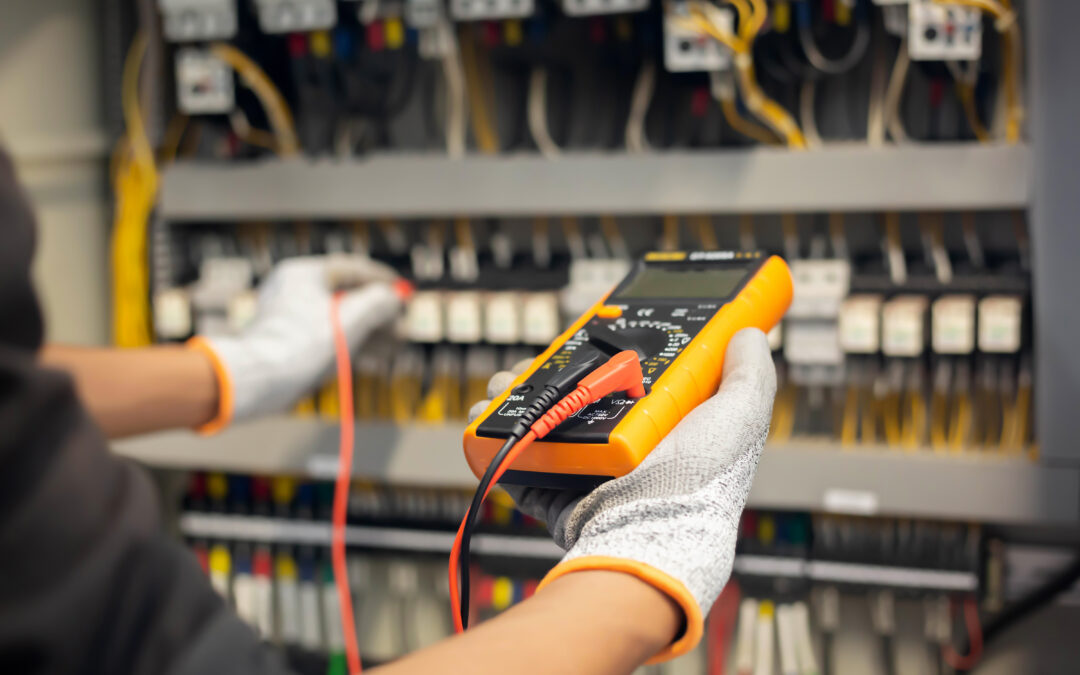
Traditional electrical fault detection strategies primarily involve regular inspections and maintenance routines. Certified electricians would manually inspect the electrical installations, using basic tools like multimeters to measure voltage, current, and resistance, thereby identifying any abnormalities. This hands-on approach, while relatively simple, has proven to be efficient in detecting and rectifying obvious signs of wear and tear, loose connections, and overloads.
Periodic electrical inspections also form an integral part of traditional fault detection. These inspections offer a detailed evaluation of an electrical system’s condition and can identify potential faults before they escalate into critical problems. The primary benefit of this method lies in its preventive nature, allowing for prompt remediation before a failure occurs.
Another strategy included the use of basic fault detection devices such as circuit breakers and fuses. These devices would interrupt the power supply whenever a fault is detected, thereby preventing further damage. While the need for manual reset or replacement was a disadvantage, these devices nevertheless provided a simple and cost-effective solution for fault protection.
Understanding the Role of Technological Innovation
With technological advancements, electrical fault detection methods have undergone remarkable transformations. Modern techniques utilise technology to provide more accurate, efficient, and timely fault detection. This shift from manual methods to automated systems significantly enhances the efficiency of the detection process, resulting in a decrease in potential risks and costs associated with electrical faults.
Technological innovation has also led to the development of smart monitoring devices. These devices continuously monitor the electrical systems, analysing changes in voltage, current, and power to detect any anomalies. Some of these devices also offer remote monitoring features, allowing for immediate alerts in case of faults, thereby enhancing the response time.
Apart from the increased accuracy and efficiency, the significant benefit of technological innovation lies in its potential for predictive maintenance. By analysing the data captured by smart devices, it’s possible to predict potential faults, enabling preventive measures before a failure occurs. This shift towards predictive maintenance greatly reduces downtime and extends the equipment’s lifespan.
Analysis of Modern Electrical Fault Detection Techniques
Modern electrical fault detection techniques have revolutionised the way electrical systems are monitored and maintained. One such technique is the impedance-based fault detection, which measures the impedance changes in a system to identify possible faults. This method offers high accuracy and quick response, significantly reducing the fault detection time.
Another efficient technique is the harmonic analysis. This method identifies faults by detecting the harmonic distortion in the system, often caused by non-linear loads. Harmonic analysis can effectively detect both transient and permanent faults, providing a comprehensive fault detection solution.
AI applications have also found their way into electrical fault detection. Through machine learning algorithms, these applications can analyse complex patterns and predict potential faults with high precision. The primary benefit of AI applications is their ability to learn and evolve, thereby continually improving their fault detection capabilities.
Case Studies: Fault Detection Success Stories in Newmarket
Newmarket has witnessed numerous success stories in electrical fault detection, owing much to the town’s commitment to electrical safety. For instance, a local business was able to avoid a potential shutdown and financial loss due to a swift fault detection. The use of smart monitoring devices enabled the prompt detection of a critical fault in the electrical system, allowing for immediate rectification.
In another instance, a historical building was safeguarded from potential fire hazards by proactive electrical maintenance. Regular inspections identified a risky overload situation in the old wiring system, and the immediate rectification preserved the historical structure and ensured the safety of its inhabitants.
Moreover, Newmarket’s renowned racing industry has also benefited from efficient fault detection strategies. Regular maintenance and modern fault detection devices have ensured the smooth operation of the racing and training facilities, contributing to the industry’s success.
Potential Challenges in Fault Detection and Mitigation
While modern electrical fault detection techniques offer numerous benefits, they also present certain challenges. The transition from traditional methods to technology-based solutions requires significant investment in terms of time, training, and resources. Moreover, the complexity associated with these techniques may pose a challenge for those unfamiliar with the technology.
Another challenge lies in the rapid evolution of technology. Keeping up with the latest trends to ensure the most efficient fault detection can be demanding, requiring continuous learning and upgradation of systems. Furthermore, the dependence on technology also raises concerns regarding cybersecurity, as most smart devices are connected to a network.
Lastly, the varying nature of electrical loads and environmental factors can influence the efficiency of fault detection techniques. Unpredictable load changes, for instance, can cause false alarms, while harsh environmental conditions may affect the performance of detection devices.
Future Trends in Electrical Fault Detection for Newmarket
The future of electrical fault detection in Newmarket is set to be shaped by continuing technological advancements. The increasing integration of AI and machine learning will undoubtedly enhance the accuracy and efficiency of fault detection. Alongside this, predictive maintenance is expected to become more prevalent, shifting the focus from reactive to preventive strategies.
Furthermore, the rise of the Internet of Things (IoT) is expected to revolutionise fault detection. The interconnectivity of devices will allow for comprehensive monitoring of electrical systems, enabling real-time fault detection and remote control. This trend is likely to improve the response time and overall efficiency of fault detection strategies.
Finally, the advancement in cybersecurity measures will play a crucial role in protecting the integrity of smart monitoring devices. With the increased focus on security, Newmarket can anticipate a future where the benefits of technological adoption in fault detection far outweigh the challenges.